Bespoke CRM vs Off-the-Shelf CRM: Which Is Right for Your Business?
When comparing bespoke CRM vs off-the-shelf solutions, the real question isn’t just about software—it’s about how efficiently your business operates.
A CRM system should support your processes, improve visibility, and reduce manual work. But many businesses find themselves adapting to rigid systems rather than improving how they work.
At Printing Progress Ltd, we work closely with businesses to understand their operations and identify where the right system can make a measurable difference. If you’re unsure which approach is right for you, you can speak directly with our team for practical guidance based on your specific requirements. Call us on 0800 999 1094 or email at info@printingprogress.co.uk.
This guide breaks down the differences clearly, helping you understand which approach delivers the most value—not just now, but as your business grows.
What Is a Bespoke CRM and an Off-the-Shelf CRM?
What is a bespoke CRM?
A bespoke CRM is a system designed around your specific business processes.
Rather than choosing features from a fixed list, the system is built based on how your team actually works. This typically involves:
- Mapping your workflows and operations
- Identifying inefficiencies or duplication
- Designing features that streamline tasks
- Integrating with your existing systems
The result is a system that supports your operations—rather than restricting them.
What is an off-the-shelf CRM?
An off-the-shelf CRM is a pre-built platform designed to suit a wide range of businesses.
These systems offer:
- Standard features and dashboards
- Quick implementation
- Subscription-based pricing
- Limited customisation options
They are designed for general use, which means they may not fully align with how your business operates.
Key Differences Between Bespoke and Off-the-Shelf CRM
| Feature | Bespoke CRM | Off-the-Shelf CRM |
| Customisation | Fully tailored to your processes | Limited to platform features |
| Implementation | Built around your operations | Ready to deploy quickly |
| Integration | Designed to connect your systems | May require workarounds |
| Scalability | Grows with your business | Can become restrictive |
| Cost Structure | Upfront investment | Ongoing subscription costs |
| Control | Full ownership | Vendor-controlled |
The key difference is operational:
Bespoke systems improve how your business works, while off-the-shelf systems often require compromise.
Advantages and Disadvantages of Each CRM Type
Bespoke CRM: Pros and Cons
Advantages:
- Built around real workflows—not assumptions
- Removes unnecessary steps and duplication
- Enables automation across departments
- Integrates seamlessly with existing tools
- Scales without limitations
Considerations:
Requires upfront planning and investment
Development takes longer than ready-made solutions
Off-the-Shelf CRM: Pros and Cons
Advantages:
- Quick to set up and deploy
- Lower initial cost
- Familiar interfaces and standard features
Considerations:
- Limited flexibility
- Ongoing subscription and upgrade costs
- May introduce inefficiencies if processes don’t align
- Integration can require additional tools or manual work
Which CRM Is Better for Your Business Type?
Off-the-shelf CRM may suit you if:
- Your processes are straightforward
- You need a solution quickly
- You are in the early stages of growth
- Budget is your primary concern
Bespoke CRM may be more suitable if:
- Your business relies on multiple systems or workflows
- You experience duplication, delays, or manual processes
- You need better visibility across operations
- You are planning for long-term growth and efficiency
A practical scenario
Businesses managing orders, customer data, and internal processes across spreadsheets, emails, and disconnected tools often face:
- Repeated data entry
- Lack of visibility
- Delays in communication
A bespoke CRM can bring these processes into one system—automating tasks, improving accuracy, and giving teams real-time access to information.
Cost, Scalability, and Long-Term Value
Looking beyond upfront cost
Off-the-shelf systems may appear cost-effective initially, but over time, businesses often encounter:
- Increasing subscription fees
- Costs for additional users
- Paid integrations and add-ons
- Productivity losses from inefficient workflows
- The value of a tailored approach
A bespoke CRM focuses on long-term operational efficiency, including:
- Reducing manual tasks
- Eliminating duplicated work
- Improving team productivity
- Supporting better decision-making through accurate data
- Scalability that supports growth
As your business evolves, your systems need to evolve with it.
A bespoke CRM can be adapted over time—ensuring your system continues to support your operations without requiring replacement or costly upgrades.
How to Choose the Right CRM Solution
A structured approach makes the decision clearer.
- Understand your current processes
Identify how work actually flows across your business.
- Pinpoint inefficiencies
Look for delays, duplication, or manual tasks.
- Define your future needs
Consider where your business will be in the next 2–5 years.
- Review system requirements
Do you need integration with accounting, production, or internal systems?
- Evaluate long-term value
Focus on efficiency and scalability—not just upfront cost.
Final Thoughts
Choosing between bespoke CRM and off-the-shelf is ultimately about control, efficiency, and long-term growth.
If your business can operate within standard processes, an off-the-shelf system may be sufficient.
But if your operations are central to your success, investing in a system designed around your business can deliver significant long-term value.
Looking to streamline your operations and reduce inefficiencies?
Our tailored approach focuses on practical improvements that make a measurable difference.
Get in touch today to discuss your processes and explore what’s possible.
Frequently Asked Questions
What is the main difference between bespoke CRM and off-the-shelf CRM?
The main difference lies in flexibility and control. A bespoke CRM is designed specifically around your business processes, while an off-the-shelf CRM offers standard features built for general use.
This means bespoke systems adapt to how your business operates, whereas off-the-shelf solutions may require you to adjust your workflows to fit the software.
Is a bespoke CRM always more expensive?
Not necessarily. While bespoke CRM systems typically involve a higher upfront investment, they can be more cost-effective over time.
Off-the-shelf systems often include ongoing subscription fees, paid add-ons, and integration costs. In contrast, a bespoke solution can reduce long-term expenses by improving efficiency and eliminating unnecessary features.
How long does it take to develop a bespoke CRM?
Development timelines vary depending on complexity, but most bespoke CRM systems are delivered in phases.
This usually starts with discovery and workflow analysis, followed by design, development, and testing. A phased approach allows businesses to start benefiting from improvements early, rather than waiting for a full system rollout.
Which CRM is better for small businesses?
For small businesses with simple processes, an off-the-shelf CRM is often a practical starting point due to its lower upfront cost and quick setup.
However, if a business has unique workflows or plans to scale quickly, a bespoke CRM may provide better long-term value.

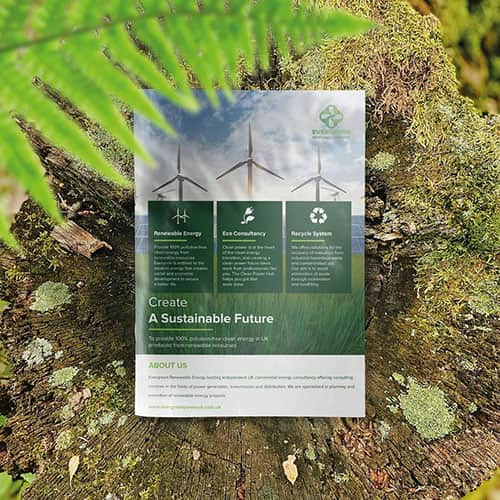 Eco friendly, sustainably sourced recycled FCS certified print
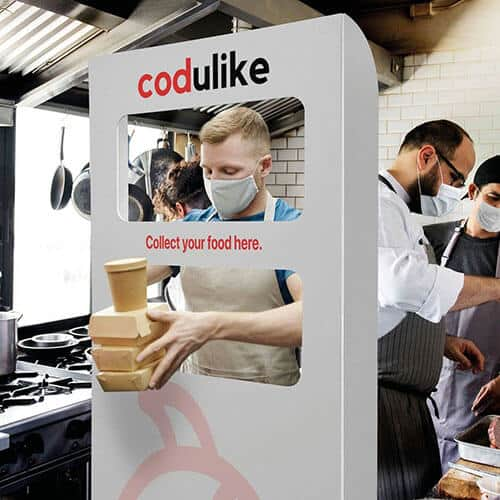 Takeaway Screens
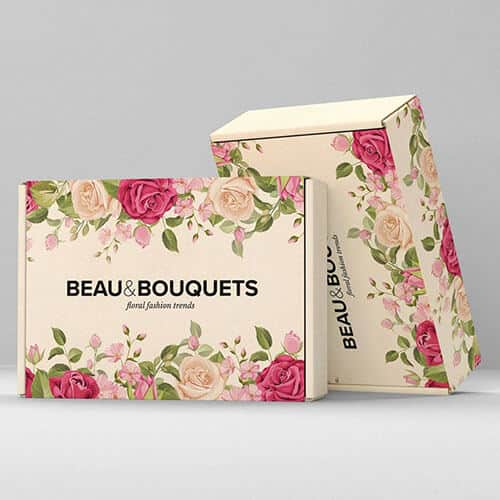 Postal Boxes