
Websites in 2026 are no longer just digital brochures. They are sales tools, brand touchpoints, and trust builders, often all working at once. Most customers decide how they feel about a business within seconds of landing on a website, which means design choices now carry real commercial weight. This blog explores the most relevant website design trends 2026 is bringing forward, not trends for the sake of novelty, but changes grounded in how people actually browse, buy, and interact online.
At Printingprogress, we work with businesses that want websites to perform, not just look good. From print-led brands expanding online to service providers refreshing dated platforms, the focus is always on design that supports growth. If your website needs to evolve for what comes next, speak to our team on 0800 999 1094 or email info@printingprogress.co.uk to request a call-back.
Printingprogress builds future-ready websites that combine strong visual identity, intuitive user experience, and performance-led design choices that convert visitors into customers.
A Smarter Starting Point For Website Design In 2026
The biggest shift heading into 2026 is not about colour palettes or fonts. It is about intent. Businesses are moving away from chasing trends and towards design systems that adapt to users, devices, and behaviour patterns.
Start-ups and growing brands are especially aware of budget and longevity. Rebuilding a website every year is not realistic. The smarter approach is flexible design. Modular layouts, scalable frameworks, and content-led structures allow websites to grow without constant redesigns.
Another key change is how early design decisions are tied to performance. Load speed, accessibility, and navigation are no longer technical afterthoughts. They are part of the design conversation from day one. This is where website design trends 2026 differ from previous years. Design and function are now inseparable.
We also see a stronger connection between branding across print and digital. Consistency matters more than ever. A website should feel like a natural extension of brochures, packaging, and marketing materials, not a disconnected digital space.
The Website Design Trends Defining 2026 Experiences
This is where design becomes practical, measurable, and user-focused. Below are the trends shaping websites that actually work in 2026.
1. Intentional Simplicity Over Visual Noise
Design in 2026 is cleaner, but not empty. White space is used strategically to guide attention, reduce cognitive load, and make content easier to scan. This approach improves user experience design without stripping personality from the brand.
2. Performance-First Visual Design
Heavy animations and oversized assets are being replaced with lightweight effects that load fast. Speed is a ranking factor and a trust signal. Modern website design now balances visual interest with technical efficiency.
3. Mobile-First Design As Standard Practice
Mobile browsing dominates, and design follows. Layouts are built for thumbs, short attention spans, and vertical scrolling. Mobile-first design is no longer a trend, it is the default foundation.
4. Designing Around Real User Journeys
Websites are structured around what users want to do, not what businesses want to say. Clear paths, fewer clicks, and smarter calls to action improve engagement and conversions through better user experience design.
5. Subtle Motion With Purpose
Micro-interactions, hover states, and gentle transitions add feedback without distraction. These elements support usability rather than compete with content, reinforcing modern website design principles.
6. Accessibility As A Design Standard
Readable fonts, colour contrast, keyboard navigation, and inclusive layouts are built in from the start. Accessibility improves reach, compliance, and overall user experience design.
7. Content-Led Visual Hierarchies
Design serves content, not the other way around. Headings, imagery, and spacing are used to support storytelling and clarity, aligning strongly with website design trends 2026 focused on meaningful engagement.
8. Brand Consistency Across Digital And Print
Visual identity is unified. Websites echo printed materials, creating familiarity and trust. This is especially relevant for businesses already investing in physical marketing assets.
Why These Website Design Trends Actually Work
The reason these trends matter is simple. They reflect how people behave online today. Users want clarity, speed, and confidence. They do not want to learn how a website works. They want it to work immediately.
By focusing on performance, accessibility, and intuitive structure, website design trends 2026 align with both search engine expectations and human behaviour. Search engines reward usability, while users reward clarity with action.
From our experience at Printingprogress, websites that embrace these principles tend to perform better across metrics that matter, lower bounce rates, longer dwell times, and higher conversion rates. Design is no longer subjective. It is measurable.
Build A Future-Ready Website With Printingprogress
Website design in 2026 is about making confident, informed choices that stand the test of time. At Printingprogress, we bring years of experience across digital design,print branding, and performance-focused execution. Our team understands how to create websites that feel cohesive, load fast, and support real business goals.
Whether you are refreshing an existing site or building something new, we help shape platforms that reflect your brand and work hard behind the scenes. Ready to move forward with a website built for the future? Call 0800 999 1094 or email info@printingprogress.co.uk to explore your options.
FAQs
1. Are website design trends for 2026 suitable for small businesses?
Yes, many trends focus on simplicity, performance, and scalability, which are ideal for small and growing businesses.
2. Does mobile-first design still matter in 2026?
Mobile-first design remains essential due to continued mobile usage dominance.
3. Will minimalist websites look too basic?
Not when done correctly. Intentional simplicity enhances clarity while maintaining strong branding.
4. How does accessibility affect website performance?
Accessible design improves usability for all users and supports search engine visibility.
5. Can existing websites adapt to 2026 design trends?
In many cases, yes. Strategic updates often achieve strong results without full rebuilds.

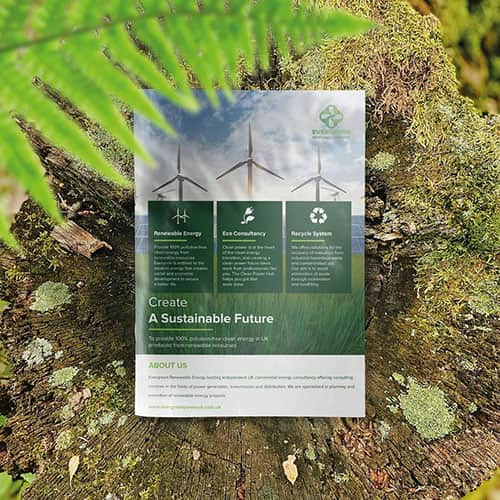 Eco friendly, sustainably sourced recycled FCS certified print
 Takeaway Screens
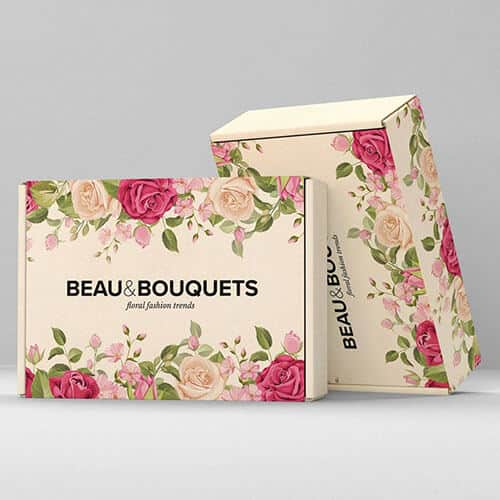 Postal Boxes