A business rarely loses sales because it lacks another dashboard. It loses sales because leads sit too long without follow-up, customer details live in five different places, and nobody has a clear view of what should happen next. The same problem affects retention. When quotes, conversations, delivery updates, and feedback are scattered, service becomes inconsistent. That inconsistency costs repeat business. Custom CRM benefits become obvious at the point where process gaps start affecting revenue.
Need to see where the friction is in your current process? Explore bespoke CRM development to assess what a tailored system should actually solve.
Why businesses outgrow standard CRM tools
Most off-the-shelf CRMs are good at getting teams started. They are less good at reflecting the reality of how many businesses actually sell, deliver, and retain customers. If your process involves custom quotes, multiple approval points, project updates, repeat orders, or handover between departments, a standard pipeline can quickly become a poor fit.
| What happens in practice | Standard CRM response | Custom CRM response |
| Sales stages do not match the real journey | Team uses workarounds | Workflow matches your actual process |
| Important data sits in email or spreadsheets | Visibility stays partial | Customer history sits in one usable record |
| Follow-up depends on memory | Leads slip | Timers, reminders, and triggers keep momentum moving |
| Service and sales do not share context | Retention suffers | Handover becomes structured and trackable |
How custom CRM benefits improve sales performance
The strongest sales gain usually comes from speed and clarity. A custom CRM can route enquiries to the right person, trigger the next action automatically, show the full customer history, and keep every opportunity visible. That makes follow-up faster and more consistent.
It also improves qualification. When your fields, stages, and dashboards are built around your real sales cycle, the team stops wasting time translating their work into someone else’s system. They can see which leads are live, which quotes are stalled, which customers are ready for a second order, and where pipeline value is actually coming from.
For businesses generating leads online, this matters just as much at the front end. If your enquiry flow starts on your website design, the CRM should pick up that context cleanly instead of forcing the team to re-enter information manually. The less rekeying, the fewer delays.
How CRM customer retention improves when your system fits the workflow
Retention improves when a team can act on context. A useful CRM does not just store names and notes. It helps people remember what matters, when to contact someone, what they bought, what they asked for, what has been promised, and what should happen next.
That is especially important after the sale. A customer who has to repeat information, chase updates, or deal with inconsistent communication is less likely to come back. A tailored CRM can keep post-sale activity structured, whether that means onboarding, proof approval, delivery milestones, support history, or scheduled check-ins.
Retention is also shaped by consistency across touchpoints. If your sales messages, proposals, emails, and customer-facing assets all feel disconnected, trust weakens. Stronger branding support helps keep those touchpoints aligned, which makes the CRM more effective because the customer experience feels joined up rather than pieced together.
A custom CRM improves retention when it gives your team the right next action at the right time, not when it simply stores more data.
When bespoke CRM development is the better choice
Bespoke CRM development becomes the better route when the business is stable enough to define its workflow, but standard tools are forcing compromises. Good signs include:
- Your team still relies on spreadsheets beside the CRM
- Your reports do not reflect how the business actually runs
- Sales, service, and operations all need different views of the same customer
- You need handover steps, not just pipeline stages
- Your team avoids the CRM because using it feels slower than working outside it.
This is also where a connected data structure matters. In many cases, the CRM works best when it sits on top of a bespoke database system that supports clean records, permissions, reporting, and integration rather than treating customer data as an afterthought.
What CRM sales automation should include from day one
CRM sales automation should start with the tasks that repeatedly slow the team down. That usually means lead assignment, reminders, stage changes, quote follow-up, re-engagement prompts, and visibility on dormant accounts.
The aim is not to automate everything. It is to remove the manual work that causes delay, inconsistency, and dropped opportunities. Useful day-one inclusions often look like this:
- Automatic reminders when a quote has not been answered
- Clear ownership for every live opportunity
- Role-based dashboards for sales, service, and management
- Activity history in one place
- Triggers for repeat-order or retention follow-up
- Reporting that shows where conversion slows down.
Where the process is broader than CRM alone, the better answer may be a connected custom software development so that sales, service, and operations are not forced to work in separate systems.
Is custom CRM for small business worth the investment?
Custom CRM for small business is worth it when complexity is already costing money. That may show up as missed leads, delayed responses, unreliable reporting, or customers who disappear after one purchase because follow-up is inconsistent.
A smaller business often benefits more from a tightly scoped system that fits its workflow than from a larger platform full of options nobody uses.
We have seen the strongest results come when the build is shaped around actual commercial pressure points: how enquiries arrive, how quotes move, how delivery is tracked, how feedback is captured, and how repeat business is prompted. That is the practical case for a tailored system. It turns customer management from a record-keeping exercise into an operating tool.
Build around the customer journey, not the software template
The real value of a custom CRM is not customisation for its own sake. It is alignment. When the system reflects how your team sells, communicates, delivers, and follows up, sales move faster and retention becomes easier to manage. The gains come from fewer gaps, better visibility, stronger accountability, and a more consistent customer experience.
If your current setup is full of manual fixes, disconnected data, and follow-up risk, the next step is to map the workflow before choosing the technology. From there, it becomes much easier to decide what should be automated, what should be measured, and what the system needs to support long term. If that is the stage you are at, call 0800 999 1094 or email info@printingprogress.co.uk today!
Frequently Asked Questions
What are the main benefits of a custom CRM?
A custom CRM gives you a system built around your workflow. The main benefits are faster follow-up, clearer reporting, better handover between teams, stronger visibility on opportunities, and a more consistent customer experience.
Can a custom CRM improve customer retention?
Yes. A tailored CRM improves retention by keeping customer history, service updates, follow-up prompts, and repeat-order opportunities visible in one place. It reduces the chance of customers being forgotten after the first sale.
Is a bespoke CRM worth it for a small business?
It can be, especially when a small business has outgrown spreadsheets or a basic CRM and is already losing time, leads, or repeat orders through manual workarounds. The key is scoping the system around real needs rather than building too much too early.
What should a custom CRM integrate with?
That depends on the workflow, but common priorities include your website, email tools, quoting process, reporting, finance systems, and any internal database or operational platform that affects customer service and sales visibility.

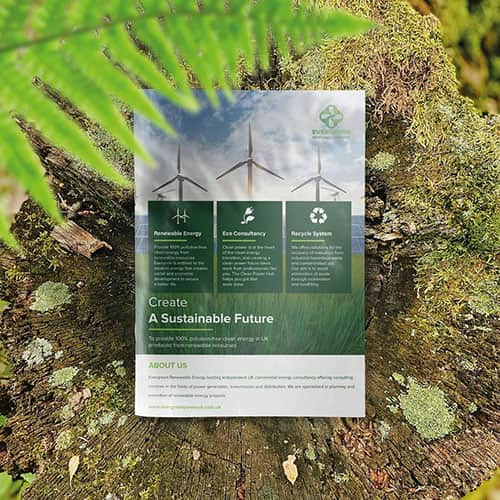 Eco friendly, sustainably sourced recycled FCS certified print
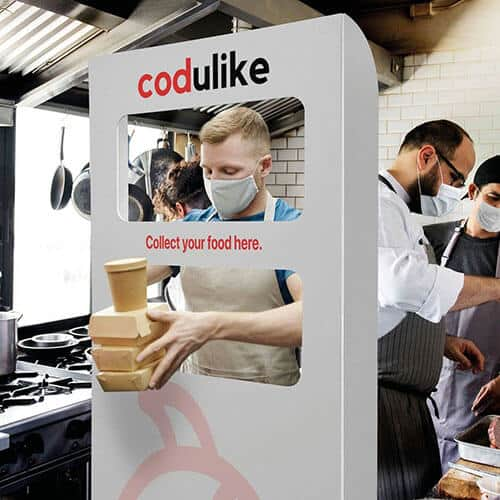 Takeaway Screens
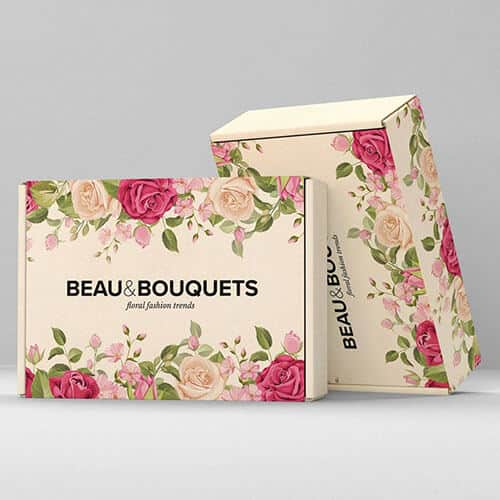 Postal Boxes