You’ve got roughly three seconds before a website visitor decides whether to stay or bounce. Three seconds to make an impression, establish credibility, and convince someone your site deserves their attention. What happens in those critical moments isn’t random; it’s pure psychology. Every colour choice, button placement, and layout decision triggers unconscious responses that either build trust or create friction.
The fascinating thing? Most business owners focus entirely on what their website says while ignoring how it makes people feel. A perfectly crafted message buried in poor layout gets ignored. Meanwhile, competitors with average content but brilliant website design psychology convert visitors effortlessly because they understand how human brains actually process digital experiences.
This isn’t about manipulation or tricks. Understanding the psychological principles behind effective web design helps you create experiences that feel intuitive, build genuine trust, and guide visitors naturally towards the actions you want them to take.
Planning a new website or refreshing your existing one? Give us a ring on 0800 999 1094 or email us at info@printingprogress.co.uk to discuss how psychology-driven design can transform your online presence.
Printingprogress combines strategic design and psychology to craft websites that engage visitors, guide decisions, and convert interest into meaningful action.
Understanding The Psychology That Drives User Engagement
Every click, scroll, and hover on a website isn’t random. Users respond to visual cues, layout flow, and content placement in ways that are deeply rooted in psychology. Recognising these subtle cues helps businesses build trust, guide user actions, and create a seamless browsing experience without overwhelming the audience.
Here are the key factors to consider:
- Visual Hierarchy Shapes Attention
The arrangement of headings, images, and call-to-action buttons determines what users see first. Prioritising key content ensures critical information is not overlooked. - Colour Influences Emotion
Colours affect perception and behaviour. Blue communicates trust, red triggers urgency, and green conveys calm or growth. Using colours that align with your brand purpose strengthens engagement. - Typography Guides Readability
Font choice affects clarity and credibility. Clear, consistent typography improves comprehension and keeps users focused on the content. - Spacing And Layout Reduce Cognitive Load
Whitespace helps users process information efficiently. Proper spacing makes navigation clear and prevents information from feeling overwhelming. - Navigation Directs User Flow
Menus, links, and buttons guide users through the website. Logical navigation ensures visitors find what they need quickly and with minimal effort.
By thoughtfully applying these psychological principles, you can design your website to achieve higher conversion rates, turning casual visitors into engaged customers.
How Website Layout And Psychology Directly Influence User Behaviour
Designing a website is not limited to the aesthetics, but is about understanding how users perceive, interact with, and respond to content. Every element, from images to navigation, has a psychological impact. Applying research-backed principles ensures visitors stay longer, engage more, and take desired actions naturally.
- Visual Hierarchy Directs Attention
Users scan websites rather than reading every word. Placing headings, images, and calls-to-action strategically ensures the most important elements are noticed first. Large headings, bold typography, and contrasting buttons naturally draw the eye, guiding users through a clear journey. - Colour Influences Emotion and Decision-Making
Colours can subtly steer behaviour. Blue builds trust, green communicates growth or calm, and red creates urgency. Matching your colour palette to your brand values and page goals enhances perception and encourages engagement. Colour contrast also ensures key elements like buttons stand out without overwhelming the eye. - Typography Enhances Clarity and Credibility
Clear, legible fonts improve comprehension and encourage action. Sans-serif fonts often work best for digital readability, while consistent font sizes maintain professionalism. Mismatched or cluttered fonts can confuse visitors, reducing trust and the time they spend on the page. - Spacing And Layout Reduce Cognitive Load
Whitespace is a critical design tool. Proper spacing between sections, images, and text blocks helps users process information easily. Overcrowded layouts increase stress and lead to higher bounce rates, while well-organised pages create a feeling of clarity and ease. - Navigation The User Journey
Menus, links, and buttons should create a natural path. Predictable, intuitive navigation ensures visitors can find what they need quickly. Group related information logically and highlight calls to action where users expect them. - F-Pattern And Z-Pattern Layouts Guide Eye Movement
Users follow predictable scanning behaviours on web pages. The F-pattern suits content-heavy pages, guiding the eye across the top, then down the left side. Headlines, bullet points, and key links should follow this flow. The Z-pattern works well on simpler landing pages, leading users diagonally from top-left to bottom-right, ideal for sequential calls-to-action. Designing with these patterns in mind improves comprehension and conversion. - Images And Visuals Shape Perception
High-quality visuals not only attract attention but also convey brand values instantly. Faces, directional cues, and product shots guide focus to key areas. Ensure images are relevant, optimised for speed, and aligned with the message you want users to take away. - Consistency Builds Trust
Repeated design elements, colours, buttons, headings, and iconography create a cohesive experience. Inconsistent design may confuse users and reduce credibility. Uniformity reassures visitors that the website is reliable and professionally maintained. - Micro-interactionsIncrease Engagement
Small interactive elements, like hover effects, button animations, or form feedback, provide subtle guidance and gratification. These features make navigation intuitive, encourage clicks, and give users confidence that their actions are registering. - Content Placement Reinforces Calls-To-Action
Strategically placing key messages and CTAs along natural scanning paths ensures they’re seen without appearing pushy. Pairing concise, benefit-focused copy with contrasting buttons helps users act decisively.
Conclusion
Effective website design psychology transforms how visitors experience your online presence, guiding them naturally from initial interest through to conversion while building genuine trust throughout the journey.
At Printingprogress, our approach goes beyond aesthetics to create experiences that feel intuitive, build trust authentically, and convert visitors effectively. From initial concept through design sign-off and launch, we involve you at every stage while applying our expertise in both design and psychology.
Whether you need a sleek brochure website that establishes credibility or a fully bespoke CRM platform that guides customers seamlessly through complex purchase journeys, our team delivers design-led, brand-consistent websites built on solid psychological foundations.
Call us on 0800 999 1094 or email us at info@printingprogress.co.uk. We’ll discuss your goals, explain how psychological principles apply to your specific industry and audience, and create a digital presence that delivers measurable results.

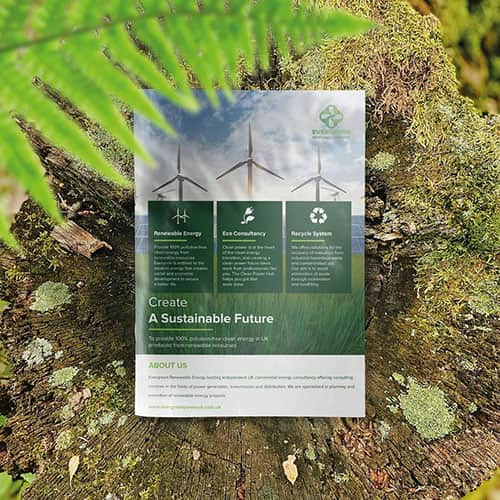 Eco friendly, sustainably sourced recycled FCS certified print
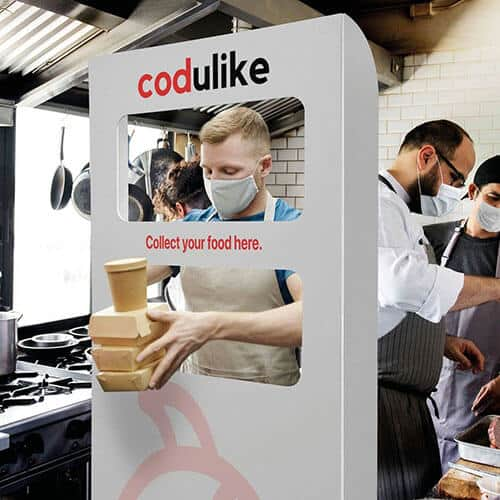 Takeaway Screens
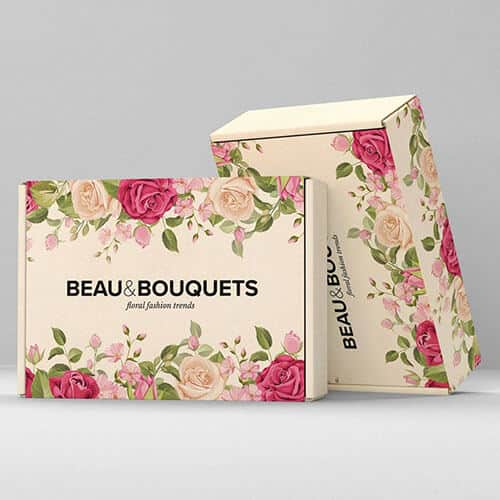 Postal Boxes